Pattern Leopard Glitter Tumbler Wrap Jpg Review
A First Look at the Pattern Leopard Glitter Tumbler Wrap Jpg
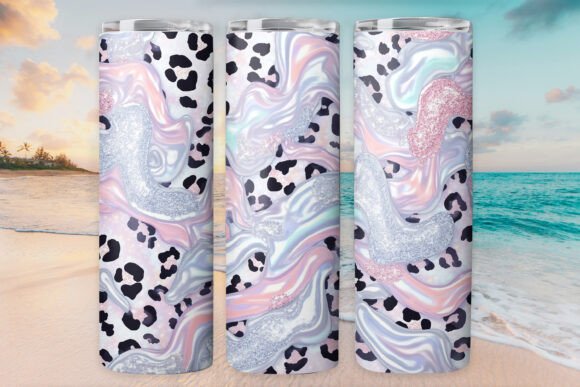
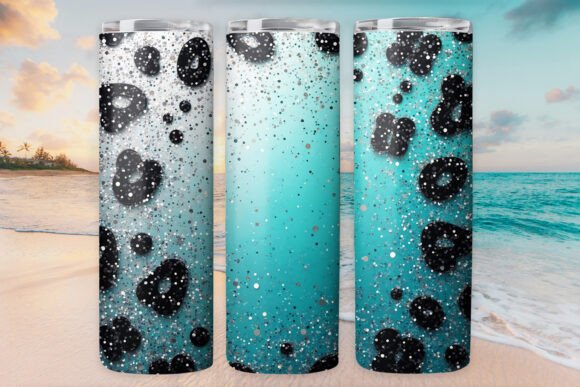
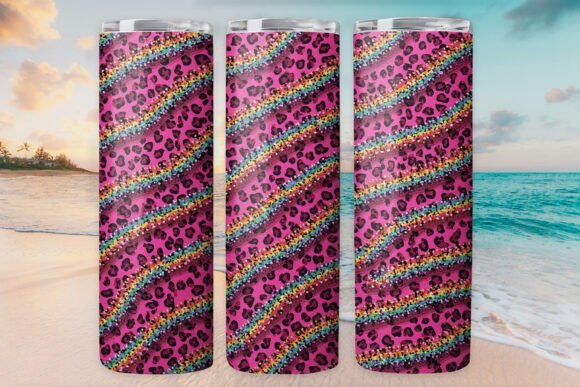
As a designer who’s spent years working with machine embroidery, I know that first impressions matter. When I opened the Pattern Leopard Glitter Tumbler Wrap Jpg, I was immediately drawn to its bold, eye-catching aesthetic. The leopard print is rich and detailed, with a subtle glitter effect that adds dimension and visual interest. It feels like it's designed for statement pieces—those custom apparel items or handmade products that need to stand out.
The design has a playful yet sophisticated vibe, making it ideal for projects that aim to balance fun with elegance. Its layout is clean, with well-defined shapes and clear separation between elements. This makes it a strong candidate for a variety of embroidery projects, from tote bags to sweatshirts.
How It Performs in Real Embroidery Projects
Let’s imagine preparing a custom embroidered tote bag for a boutique product line. The Pattern Leopard Glitter Tumbler Wrap Jpg would add a touch of luxury and personality. The glitter detail catches the light, which can make the finished product more appealing on display or in photos for an Etsy listing.
This design works well on larger surfaces, such as tote bags, aprons, or pillow covers. It also shows promise on sweatshirts and baby clothes, where the leopard print can be both trendy and cute. However, I’d recommend testing it on scrap fabric first to see how the stitch density affects the look and feel of the fabric.
The Pattern Leopard Glitter Tumbler Wrap Jpg could also serve as an embroidered patch for a handmade product or a personalized gift. It’s versatile enough to work on various fabric types, though I’d advise checking thread color contrast and ensuring the stabilizer is appropriate for the fabric texture.
Where to Use It Carefully
While this design is visually striking, there are some situations where it might not shine as brightly. For example, using it on small hoop sizes could lead to a loss of detail, especially in the finer parts of the leopard pattern. Similarly, applying it to stretchy fabrics or dark backgrounds may affect the overall clarity of the design.
If you're planning to use this design on curved surfaces like caps or hats, keep in mind that the shape of the leopard print might not translate perfectly. Also, if the project requires frequent washing, the glitter element might fade over time, so it’s worth considering the long-term durability of the finish.
For commercial embroidery projects, it’s important to confirm whether the design file is compatible with your machine and whether it includes all necessary stitch types, such as satin stitch or fill stitch. If not, you may need to adjust the design or consult additional resources.
Design Impact and Practical Notes
The Pattern Leopard Glitter Tumbler Wrap Jpg has the potential to elevate the visual appeal of any project it's applied to. Whether you’re creating handmade products for your craft business or designing digital embroidery files for resale, this design brings a unique flair that can set your work apart.
When using this design, I recommend testing it in black and white mockups to see how the contrast plays out on different fabric backgrounds. This will help ensure that the final product looks as intended, regardless of the fabric color or texture.
Also, remember to check the stitch density and review the design for any areas that might require additional stabilizer or adjustments in thread colors. These steps will help maintain the quality and professionalism of your finished product, whether it's a personalized gift or a commercial item.
Finally, always confirm the licensing terms before selling finished items or digital products. Understanding the rights you have to use the design will help protect your creative work and avoid any legal issues down the line.
Final Thoughts
The Pattern Leopard Glitter Tumbler Wrap Jpg is a solid choice for designers looking to add a touch of glamour and detail to their embroidery projects. With the right preparation and attention to detail, it can be a valuable asset in your design toolkit. Just remember to test it on fabric first and consider the practical aspects of its use before committing to a large-scale project.